


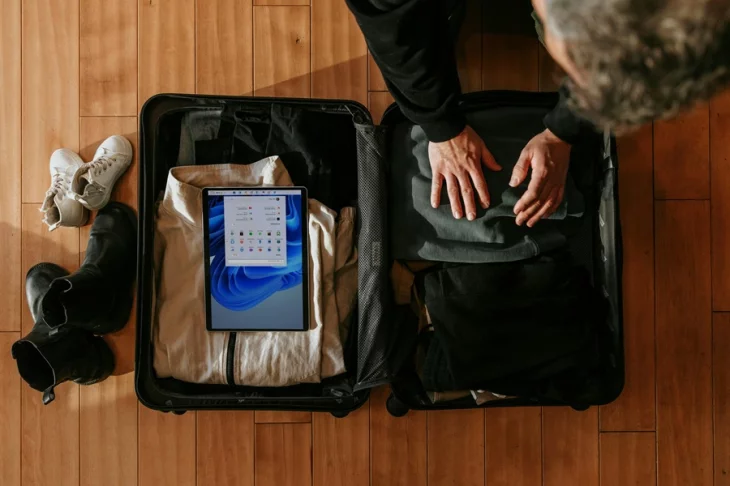
Relocating abroad for an MBA involves much more than just academics – there’s local registration, managing culture shock, and school orientation to take care of. Your first 30 days will set the foundation for a successful international study experience.
Orientation and Campus Integration
Student orientation abroad during the first few weeks will set the tone for your MBA studies and everyday life so it’s important to start off on a positive note. Business schools are well aware that newly arrived students – even local ones – can benefit from an orientation agenda designed to help them get used to the environment. Beginning with welcome events on campus, MBAs can meet faculty, connect with peers for the first time, and learn what’s essential before classes start. These are perfect opportunities to ask questions, get to know the facilities, and start building the network that will support you throughout the program.
Student groups and clubs are another perk to help internationals get immersed in the experience. Clubs about consulting and entrepreneurship are especially common as well as cultural associations dedicated to different communities – and getting involved early helps you find yours.
Dedicate the time necessary to complete the administrative setup during these initial days. This may include activating your student ID and setting up university email and online portals, for example. It may feel tedious at first, but staying organized and tackling such tasks is actually quicker than you might expect. International student offices are there to guide you through each step, so make them your first stop when questions come up.
Key Tasks in the First Month
It won’t be just school on the agenda – students abroad will also have to take care of several administrative tasks in their first weeks after moving. For example, it will be necessary to register with local authorities and the timeline can be strict. In Germany, newly arrived students have to register their new address at the local registration office within two weeks of arrival. In France, there’s the OFII process for validating visas. And in the UK, you may need to collect your Biometric Residence Permit shortly after landing for your MBA relocation.
Healthcare should also be a priority. It’s important to make sure that your health insurance is active and accepted by nearby clinics. In this first month, it would be necessary to connect with a local general practitioner so that you know where to go for checkups if needed.
If you have decided to also open a local bank account, it would be best to do it early on as to avoid having such mundane distractions during studies. A local bank account could be handy for paying rent and other bills.
Building Your Daily Routine
What can be really helpful for getting settled in and feeling at ease in your new destination is creating habits and finding out what you like. Back in your home country, you probably shop from the same supermarket, but once you move abroad, you will have to find the one that feels most convenient, affordable, and inviting. Simple things like grocery shopping and learning supermarkets’ opening hours (in some European countries, shops are closed on Sundays) can help create a routine that takes away some of the initial stress.
Using public transport may be another daily occurrence that requires preparation and getting accustomed to. Check if a monthly or yearly pass would offer more flexibility for a reasonable price. Consider if having a bicycle for getting around might be a safe and suitable option for you as many cities in Europe are bike-friendly. In any case, it might be good to practice the commute to campus a few times to learn how long it takes and be on time for classes.
Time zones can also be tricky to navigate, especially for overseas students whose family or friends are far away. Try to establish regular call times that work for everyone – having this connection with the important people in your life can make a huge difference for your well-being. Fortunately, today there are plenty of apps that can help students abroad communicate without expensive international charges.
Managing Culture Shock
Experiencing some form of culture shock or homesickness in the first month abroad for an MBA is to be expected. You might find yourself overwhelmed by different social norms, communication styles, or even simple things like grocery shopping and public transport. Recognizing these feelings as normal is the first step toward managing them effectively.
Homesickness is particularly common during those first couple of weeks or even months. You’re away from familiar faces and the routines that once grounded you. Although it’s important to go through this period without judgment, taking proactive steps to overcome it can help a lot.
As University of Oxford: Saïd Business School MBA alumna Marisabel Felipa found out, classmates and peers can make a huge difference when coping with a new environment:
“The first few weeks were characterized by homesickness (yes, it is quite real), but during launch week something changed, and I remembered why I decided to change everything: family, friends, and work for pursuing my MBA. Being surrounded by people from 60 nationalities and being part of one of the most-gender balanced business schools in the world (48% of women!) is something that makes me proud.”
Building your support circle starts with saying yes to social invitations, even when you would rather stay in your room. Join study groups and connect with other international students who understand what you’re going through.
Smart Habits for Long-Term Success
It’s worth keeping in mind that the habits students set for themselves during their first month abroad for an MBA will probably shape their entire experience. Smart budgeting is one of them. When done right, it can provide financial security and save you from unwanted surprises. Calculate what percentage of your money goes for necessities like rent, groceries, and academic expenses such as textbooks or study trips. Then, you will know better what is left for socializing, entertainment, savings, and your emergency fund.
Keeping a good balance between social life and studying is just as important. Some people might easily get sidetracked by socializing, networking, or exploring the city, but too much of this can quickly interfere with the main goal – succeeding at your MBA studies. The opposite can also be true – being focused only on academics can take away from the joy of moving abroad and meeting new people. A smart idea is to allocate time slots for studying each week. In the meantime, don’t forget to spend time for yourself and for social connections as well. Building sustainable habits early means you will thrive rather than merely survive.












Comments