


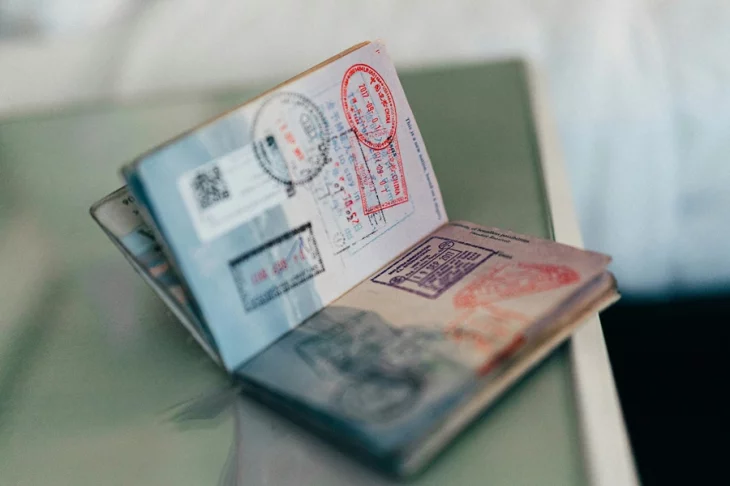
Post-graduation work permits allow international MBA graduates to gain professional experience in their host country, with options ranging from 12 months in the US (extendable to 36 months for STEM MBAs) to three years in Canada and two years in the UK.
What Are Post-Study Work Permits?
Most international MBA graduates who would like to work at least for some time in the same country after their studies abroad need a work permit to do so. Having this authorization allows you to stay in the foreign country of your program and gain professional experience. As an even more long-term step, this can lead you to consider possibilities for obtaining permanent residence.
Even if your goal is to stay in the country temporarily, an MBA graduate work permit is a way to enrich your experience and CV with a new job abroad. It’s an opportunity to apply your newly acquired skills in a real-world setting straight after business school. This can be a valuable addition to your profile for your future career back home or elsewhere.
If your plan is to potentially qualify for longer-term immigration, a post-study work permit is the gateway for that. Many countries use post-study work experience as a criterion for permanent residence applications. Local authorities and employers benefit from the scheme as well. They retain talented individuals and gain access to qualified candidates who understand both international and local contexts.

Country-by-Country Breakdown
Different destinations mean different regulations for being able to work after MBA abroad. International graduates in the United States can apply for Optional Practical Training (OPT), which allows 12 months of work. With a STEM-designated MBA program, it may be possible to qualify for a 24-month extension – making the total work period three years.
Canada is well-known internationally for its generous work authorization terms. The Post-Graduation Work Permit (PGWP) offers MBA graduates the ability to work for up to three years depending on the duration of their studies. Programs of two years or longer qualify for the full three-year permit.
In Europe, regulations can vary a lot by country. Germany has an 18-month job-seeker visa for international graduates, while France provides a one-year residence permit for job searching or even starting a company. Some EU nations have specific schemes for highly skilled graduates, especially in technology and engineering sectors.
If you graduate from an MBA program in the UK, it will be possible to stay and work for two years after completing the degree by means of the UK Graduate Visa. There will be no restrictions on the type of work or employer.
An example from Asia – Singapore has the Long-Term Visit Pass (LTVP) for international graduates from approved institutions, which grants them up to 12 months to search for employment.
How Long Can You Stay and Work?
When making long-term plans and budgeting for your MBA destination, remember to account for the maximum time allowed as per the post-study visa and work permit applicable to you. As mentioned earlier, the US offers 12 months through OPT, extendable to 36 months for STEM MBA graduates. Canada’s PGWP can provide up to three years, while the UK Graduate Visa grants two years of work to internationals.
Some nations also impose limitations on the type of employment students can engage in. For instance, certain permits require that your work relates to your field of study. Others allow complete flexibility to explore different industries and roles.
There may also be restrictions on working hours, self-employment, or starting your own business. In some destinations, you may need to notify immigration authorities if you change employers. Geographic limitations can apply too – some permits restrict you to specific regions or cities. Check the specific regulations in your target country early on so that you can make realistic plans for your time and work after MBA abroad.

Pathways to Permanent Residence
If resettling permanently after the MBA is part of your long-term plan, you will know that a post-study work permit is just the first step of the process. The good news is that some countries have immigration pathways designed specifically for skilled workers or professionals in highly desired fields. Getting an MBA and then securing post-graduation employment will be important proof that you can contribute to the local economy.
In Canada, the Express Entry system awards points for Canadian work experience gained through the PGWP. This will improve your chances of receiving an invitation to apply for permanent residence. The UK offers a Skilled Worker visa route for those who secure qualifying employment. As of 2025, this can eventually lead to settlement after five years, but there have been discussions of a potential increase to a ten-year qualifying period in the future.
The US has various employment-based green card categories, but the process can be long and arduous and requires employer sponsorship. Australia uses a points-based system where local work experience, age, and qualifications all factor into eligibility for permanent residence. Some European countries, like Germany, allow international graduates to apply for permanent residence after working for a specified period on a qualified visa.
Tips for Maximizing Post-Study Employment
Since the time period the post-study work permit is valid for is limited, it is best to start considering job options and building connections early on – even during the MBA itself. Attend industry conferences and meet with alumni working in your target field.
Like Edgardo Macias, MBA graduate from Hult International Business School, says – an MBA gives you access to many opportunities, as long as you use them well.
“Hult won’t directly get you a job offer. No business school will do that,” Edgardo explains and adds: “But the school will give you all kinds of tools to aid in your search. Just in the first month of my MBA program, I attended workshops, had one-on-one coaching with Career Services specialists, and got direction on readings that shed light on the job search and networking culture in the US.”
Building relationships with professors, classmates, and other professionals means getting important insider knowledge about the market as well as being able to rely on them for support and recommendations.
Internships can also be invaluable for building relevant experience and getting your foot in the door for other employment opportunities. Even an unpaid gig at the right company can help with new connections and teach you about the local workplace culture, ultimately making you a more confident job candidate.
International students have to be patient in their post-study job search, but with an early start and good preparation they can up their chances of securing employment abroad.











Comments