


MBA visa requirements differ by country, but most require proof of acceptance, financial documentation showing stable funds, and language proficiency tests. Beware of the processing times as these can range from two weeks to four months depending on your destination and nationality.
Why Visa Planning Is Crucial for MBA Students
Are you among the international MBA applicants who will need a visa to study abroad? If this is the case, it’s vital that you do not underestimate the visa application process and start taking care of this step on time. You don’t want external factors such as delays or rejections to derail your entire MBA study plan.
Of course, processing times for visa applications are different in each country and can last a few weeks or several months. Peak application seasons can also add to the waiting time. For example, the United States, United Kingdom, and Canada may experience this sort of “high season” for visa applications between May and August.
The financial aspect is important as well. When you apply to an MBA program and get accepted, you typically have to pay several fees before you even apply for a visa:
- Application fees (USD/EUR 100-250 per school)
- Enrollment deposit (for securing your seat)
- Housing deposits (first/last month’s rent, security deposits)
If your visa gets rejected after paying these, schools and landlords may not refund your money. To avoid costly mistakes, start gathering financial documentation early so that you would be able to show 12+ months of stable funds in your bank account before applying.
Student Visa Overview by Region
It’s impossible to cover all visa options around the world in detail, but this student visa by country overview can help you kickstart more targeted research.
United States (F-1 Visa)
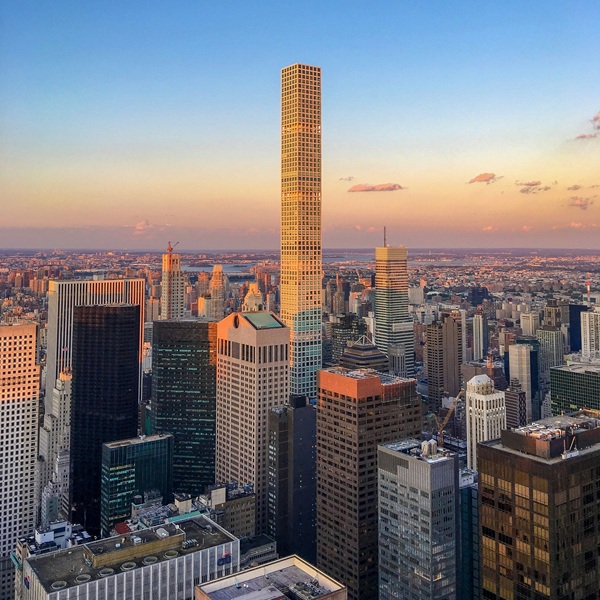 In the US, MBA candidates will encounter the F-1 visa. It requires an I-20 form from your MBA program, proof of financial support for tuition and living expenses, and a consular interview. Processing takes several weeks, but interview slots fill quickly during summer months. Apply for the interview immediately after receiving your I-20 to avoid potential delays.
United Kingdom (Student Visa)
UK student visas demand a Confirmation of Acceptance for Studies (CAS) from your university, proof of funds covering tuition and monthly living expenses, and English proficiency scores. Applications are processed within three weeks, but you can also pay for priority service if you’re pressed for time. Apply no more than six months before your course starts.
Canada (Study Permit)
Canadian study permits require a letter of acceptance, proof of funds, and potentially a medical exam depending on your home country. Processing time depends a lot on the country you’re from and other factors – it ranges from two weeks to four months, so check specific timelines early.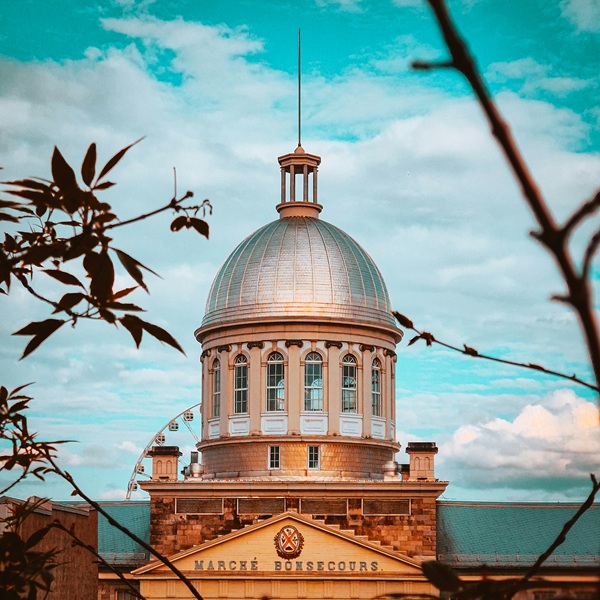
European Union
If headed for an MBA in Europe (and within the EU specifically), visa requirements might be very different in each country. Germany offers relatively straightforward processes with blocked bank accounts, while France requires Campus France pre-approval for non-EU citizens. Schengen student visas typically process within two to four weeks.
Asia (Singapore, Hong Kong)
When it comes to an MBA in Asia, Singapore’s Student Pass and Hong Kong’s student visas are generally efficient. The required documents are straightforward and are focused on acceptance letters and financial proof. Processing should take around two to four weeks.
Key Documents Required
Acceptance Letter and Enrollment Proof
While your official MBA acceptance letter is an important document, it isn’t enough for a visa application in most cases. Candidates also need specific forms: the I-20 for the US, CAS for the UK, or Provincial Attestation Letter for Canada. These documents contain unique reference numbers that link directly to your visa application. Don’t begin your visa process until you have the official government-required form, not just your admission letter.
Financial Proof
Along with the documents above, candidates need evidence of their financial abilities – typically three to six months of bank statements that show consistent balances. If using loans, obtain official sanction letters specifying the disbursement schedule. For scholarships, secure letters detailing coverage amounts and what expenses they include. Sponsor letters from parents or relatives must be notarized and accompanied by their financial documents as well.
Language Proficiency
If studying in an English-speaking program and/or country, you will already be familiar with English proficiency tests like TOEFL, IELTS, or PTE. Your score must often meet a minimum threshold not just for your MBA, but for visa application as well. Some countries waive this if you completed previous education in English. Scores typically remain valid for two years, so plan accordingly.
Common Mistakes to Avoid
It’s human to make mistakes and none of us is immune to them, but the last place you want to mess up is your visa application for studying abroad. Here’s what to look out for during this step.
Late Applications and Poor Timing
While you may be in control of most of your MBA application, the visa process includes external factors and organizations that have their own timelines. This is why it’s so important not to underestimate the time it takes for your visa and documents to be processed. Don’t leave this step just until the start of the MBA program. Instead, research what you need to know and gather the needed documents early on.
Applying Under the Wrong Visa Category
Don’t just apply for a tourist visa, hoping to “convert” it to the right one later on. Each category has specific restrictions, e.g. tourist visas prohibit study and switching categories often requires leaving the country. Always apply for a student visa, even if another category seems faster or easier.
Incomplete or Inconsistent Documentation
Look out for any discrepancies in your visa application as even an innocent mistake can derail the positive outcome. Double-check your bank statements are correct and see if any signatures or dates in your documents are missing. Visa officers are looking for consistency so make sure all costs and figures match.
Tips for a Smooth Application
Although MBA visa requirements are strict, hundreds of applicants go through the process successfully every year. Here’s how to aim for a positive outcome with this MBA visa guide.
Step 1. Create a Detailed Timeline: Try working backwards from your program start date to estimate the time needed for each part of the process. Identify your country’s maximum processing time, add 4-6 weeks buffer, then schedule every step. Book your embassy appointment the moment you receive your acceptance documents. Arrange document translations and notarizations early.
Step 2. Consider Professional Assistance: Have you considered using the services of an immigration lawyer or specialized visa consultants? If you’ve had your visa rejected before or find financial arrangements too complicated, this investment can save you a lot of stress and effort. Many MBA programs also offer visa support services.
Step 3. Master the Embassy Interview: For countries requiring interviews like the US, preparation is crucial. Practice what you’re going to say about your post-MBA goals. Bring organized folders with original documents plus copies. Be honest about your intentions and don’t forget to show that you clearly understand why you chose that specific school.
Start your visa planning early, stay organized, and you’ll be well-positioned to begin your MBA journey on time.











Comments